



Infrared vs. Traditional Saunas: Which One Actually Fits You?
People ask us this all the time. Should I get an infrared sauna or a traditional one? The honest answer is that it comes down to the kind of heat you enjoy sitting in. Both will do right by you. They just get there differently.The heat feels different
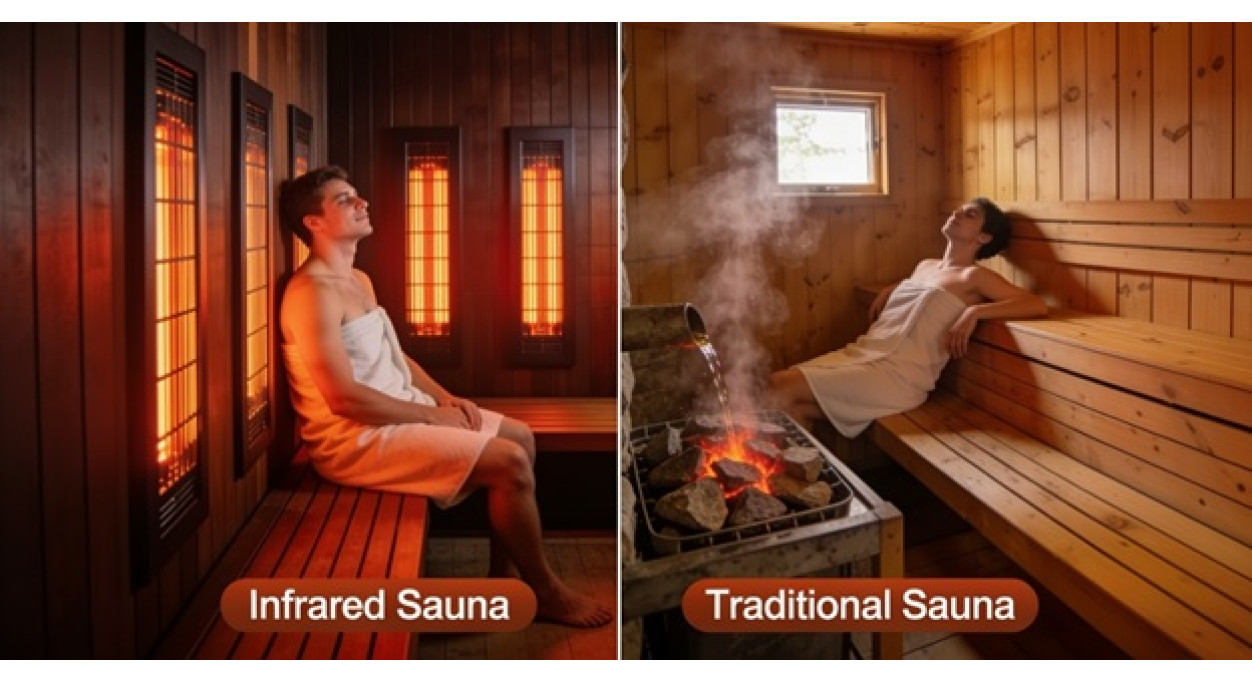
Infrared saunas use carbon heating technology to warm your body directly. The session is gentle. Comfortable. You settle in, the warmth builds slowly, and you relax without ever feeling like you're being cooked.Traditional saunas take the other route. They run on electric heaters — Harvia units are the workhorse here — and push out real, serious heat. Add steam and you get that classic sauna intensity. It's hot. It's also strangely relaxing once your body sinks into it. If you grew up on the idea of a proper sauna, this is the one you're picturing.
Neither is better. They're just built for different moods.
Why people keep coming back
Regular sauna use is one of those habits that pays you back over time. Here's what you're really signing up for.A better sense of well-being. Making sauna time a routine is an easy way to look after yourself, week after week.
Real stress relief. This is the big one for most people. You close the door, the heat wraps around you, and the day starts to fall away. It's a space to slow down, recharge, and reconnect with yourself. After a long day, that's worth a lot.
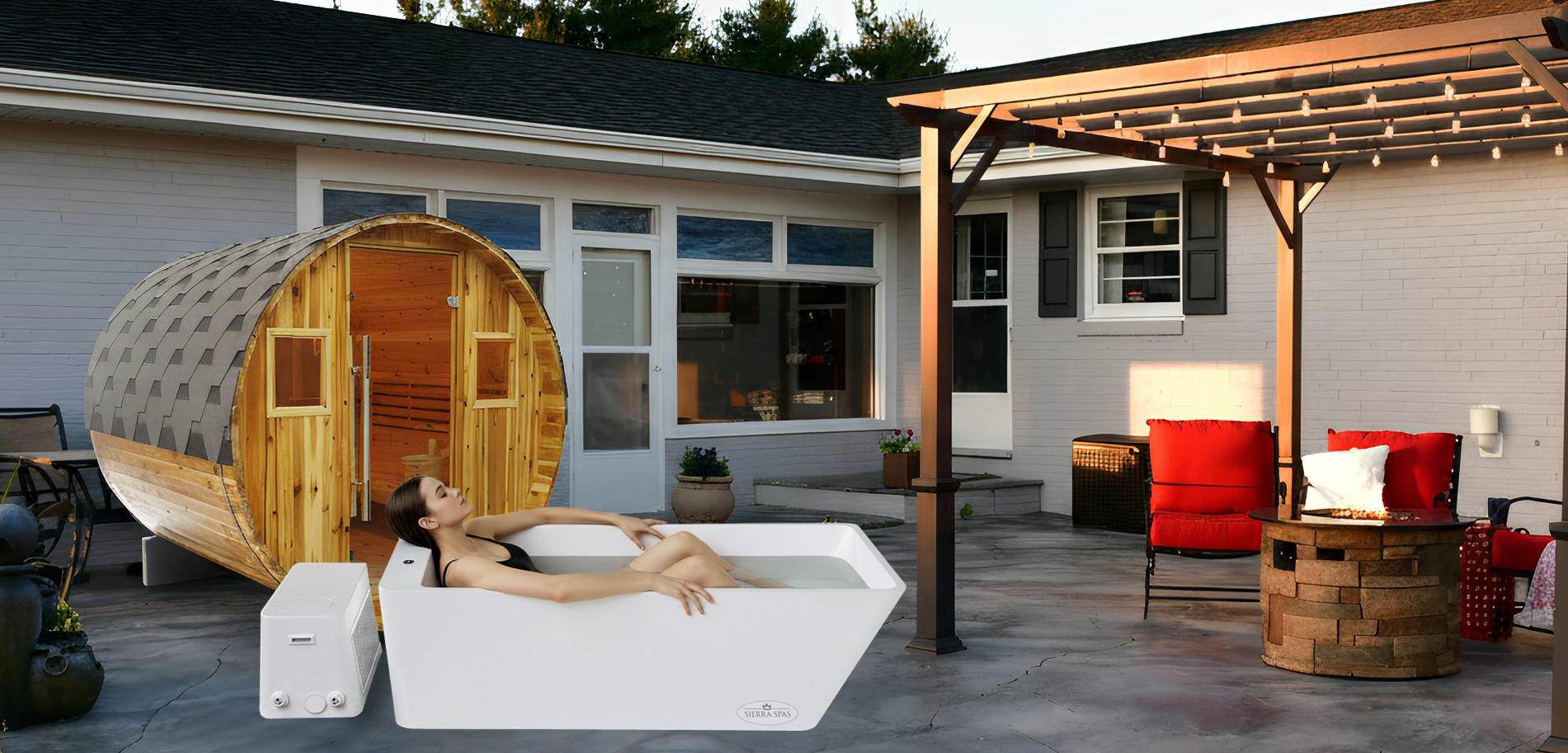
Faster recovery. Pair your sauna with a cold plunge and you're doing contrast therapy — heat, then cold, back and forth. Athletes swear by it, and it can help your body bounce back quicker after you've pushed it hard.
Wet vs. dry: same sauna, your call
A lot of folks think wet and dry saunas are two separate machines. They're not. A traditional sauna with Harvia heaters and stones can run either way — the choice is yours in the moment.Want steam? Pour water over the hot stones and you get that thick, enveloping heat and a burst of humidity. Prefer it crisp and dry? Skip the water and let the stones radiate. Same setup, two completely different experiences.
Either way, you're getting high heat and that intense-but-relaxing session traditional saunas are known for. And either way, you're carving out a little tranquility for your body and mind — a place to relax, recharge, and reconnect.
One caveat worth mentioning: if you're trying to decide whether wet steam or dry heat is better for a specific health concern — respiratory stuff, skin conditions, sore muscles — that's a conversation for your doctor. General relaxation is one thing. Medical claims are another, and worth checking with a professional.
A quick word on carbon heating
SunRay's infrared saunas use the latest carbon heating technology, which is what makes those sessions feel so easy and comfortable. Wrap that around high-quality Canadian hardwood and you've got a cabin that looks good and lasts. Good materials, smart heat — that combination is the whole point.Indoor or outdoor? Here's how they compare
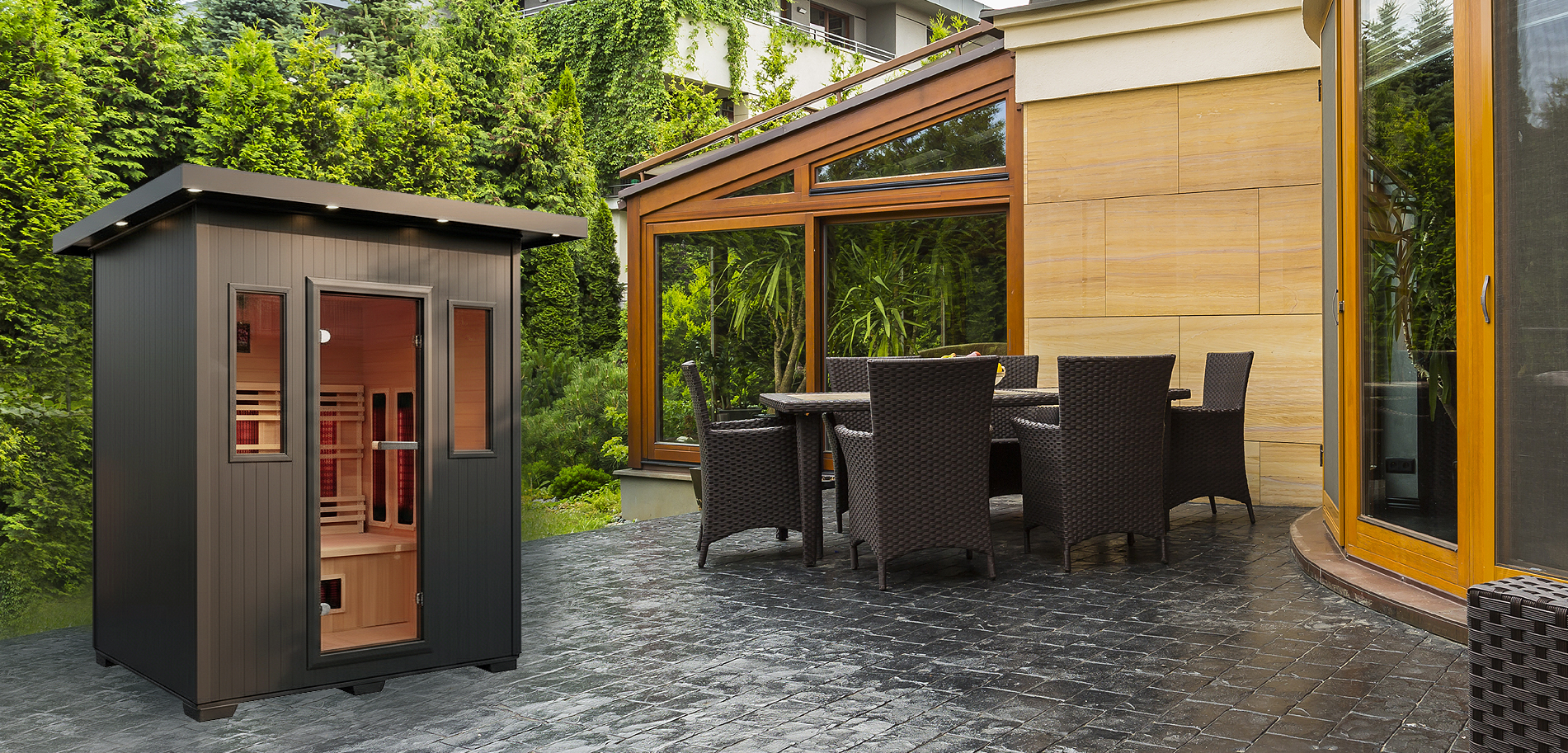
Once you've settled on infrared, the next question is where it's going to live.What's different: Outdoor models are built to take a beating from the weather. You get a shingled or metal roof and heavier-duty construction so rain, sun, and cold don't wear it down.
What's the same:
- Materials. Both indoor and outdoor cabins are made from the finest Canadian hardwood — chosen because it's both beautiful and built to last.
- Technology. Same state-of-the-art carbon heating in either one. The comfortable session doesn't change just because the cabin moved outside.
- Convenience. Both are designed for easy assembly and simple operation. You're not going to need an engineering degree to get up and running.
So really, indoor or outdoor is a space question more than a performance question. Pick the spot, and the rest takes care of itself.