



When it comes to longevity, recovery, stress relief, and heat training, aka Hostile Environment Awareness Training, a traditional sauna usually gives you the strongest stimulus.
On the other hand, an infrared sauna offers a gentler, everyday use option.
Which Heat Profile is Right for Your Health Goals?
Choosing between a Traditional Sauna and an Infrared Sauna is the most common hurdle for new buyers. Each offers a distinctive "heat profile" that aligns with your different health objectives.
Traditional Saunas: The High-Heat Experience
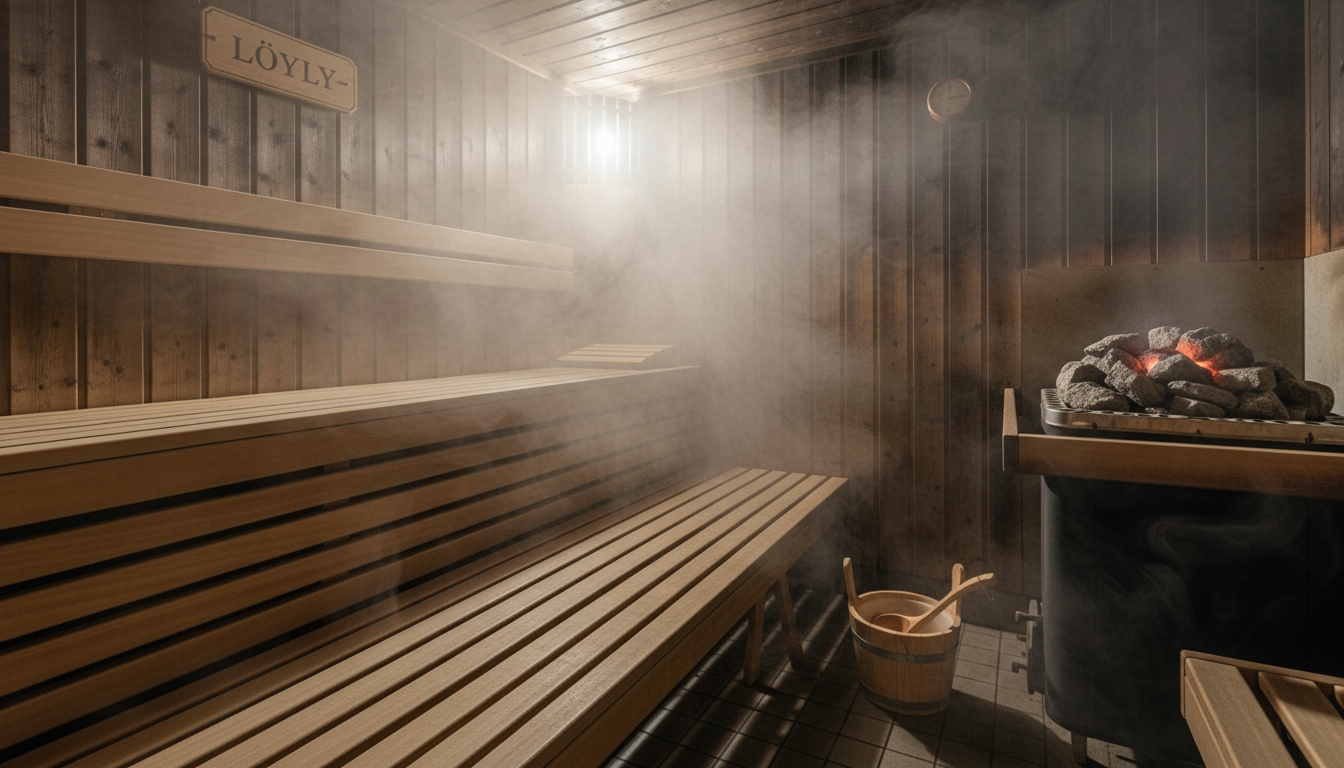
Traditional saunas use a heater to warm the air, which then warms you. This results in high humidity (if you add water) and temperatures up to 185°F.
This is best for those looking for a "social" experience or the intense sweat associated with the Hottest Sauna Trends for 2026.
Infrared Saunas: Deep Tissue Penetration
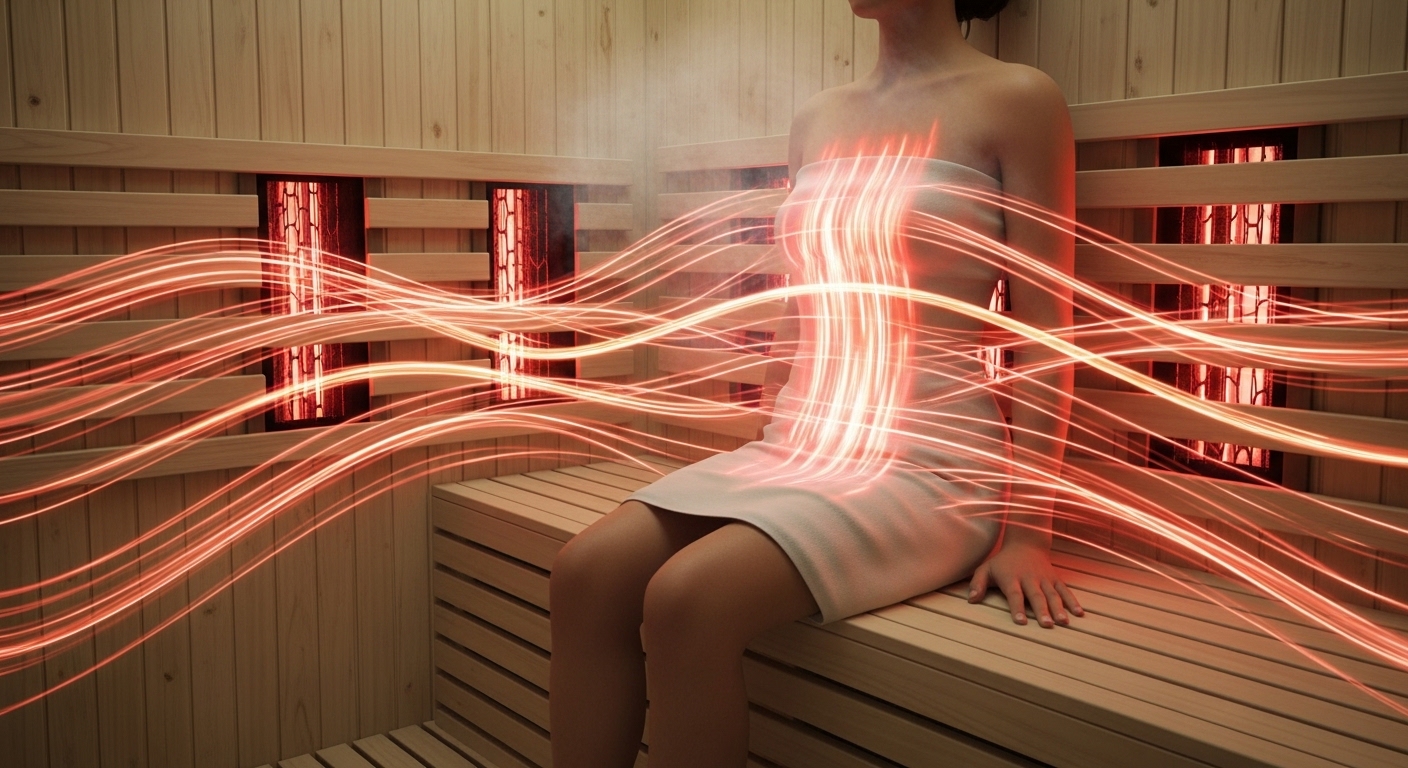
If you are looking for The Best Indoor Home Sauna for recovery, infrared might be your winner. Infrared waves penetrate the skin directly to heat your core, often at lower ambient temperatures (120°F–140°F).
This is typically preferred for detoxification and joint pain relief. Our guide on How to Choose the Perfect Home Infrared Sauna dives deeper into the specific micron ranges to look for.
Which one is better, traditional or infrared?
A systematic review of dry sauna bathing (NIH) suggests that both methods provide significant cardiovascular benefits. Your choice should depend on whether you prefer the "enveloping heat" of steam or the "targeted warmth" of infrared light.
Core differences between Infrared Sauna vs. Traditional Sauna
1. Heat source and the feel of the sauna experience
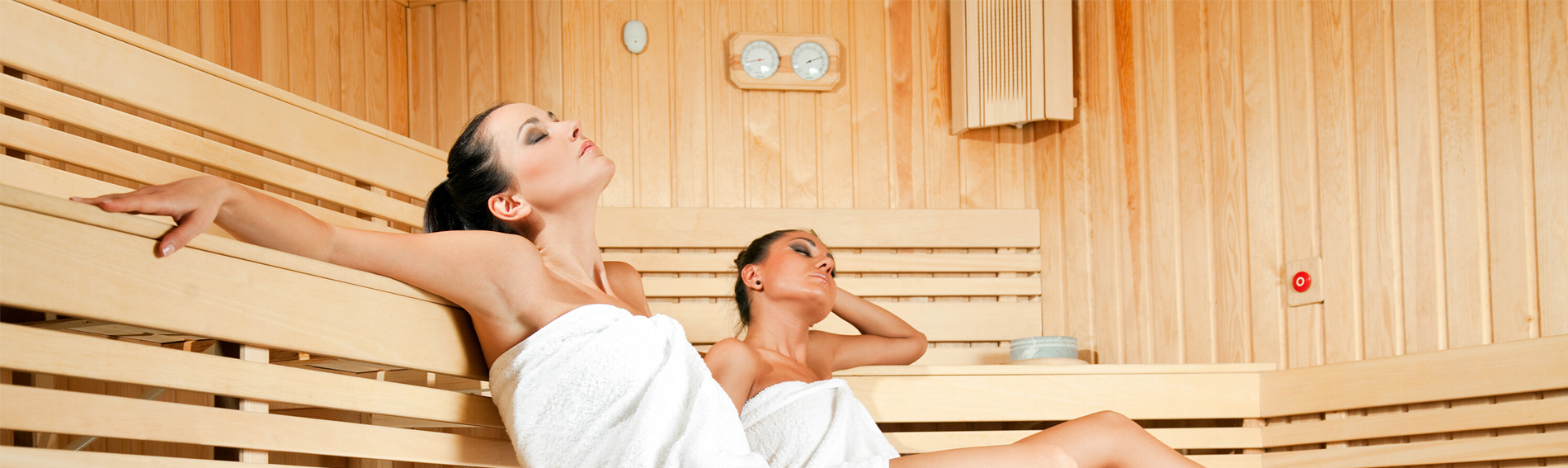
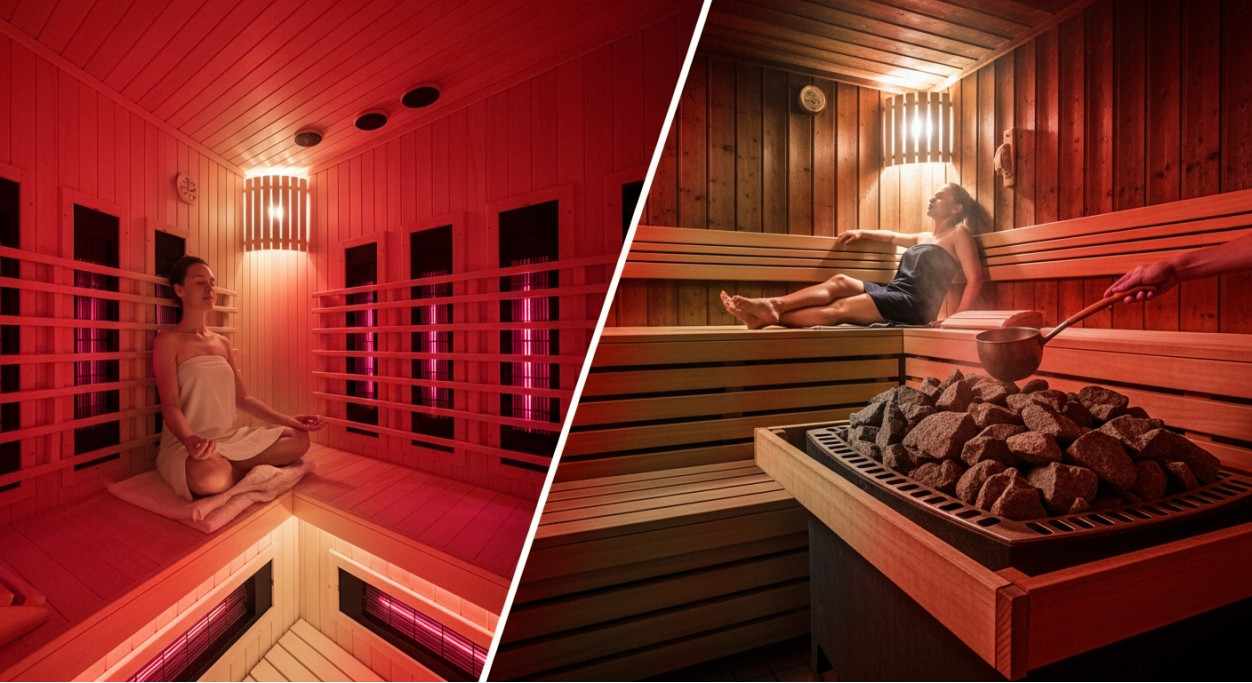
Traditional saunas heat the air (via electric, wood, or gas heater and rocks), then your skin, then your inner core, and it feels like a hot room.
Infrared uses infrared panels or lamps to heat your body directly with light.
Therefore, the air stays cooler, and heat feels more like it is heating you from the inside out. In other words, the air itself isn't heating you; it's preventing you from cooling down quickly.
2. Temperature and Overall Comfort
Traditional saunas heat to 150–200°F, and many people find this intense and choose to limit their sauna sessions to 10–20 minutes.
Infrared heat to 110–160°F, which people find more comfortable. Therefore, people enjoy or tolerate a longer sauna session.
3. The High Humidity, Sweat Experience
A traditional sauna can be dry or steam if you choose to throw water on the rocks. Furthermore, this feels more like a classic spa experience, with heavy sweat and strong heat.
An infrared sauna is dry and has very little to no steam unless a separate steam generator is added. During an infrared sauna session, your sweat builds more gradually.
4. Traditional Sauna Advantages
A traditional sauna envelops you in powerful, dry heat that gets your heart pumping and ignites a deep, cleansing sweat for an invigorating whole‑body experience
5. Infrared Sauna Advantages
An infrared sauna uses lower air temperatures yet still elevates core body temperature and stimulates deep sweating.
Moreover, many people find it beneficial for recovery, relaxation, and a sense of “detox.” Emerging research suggests potential benefits for inflammation, mitochondrial function, and cellular repair.
However, the science is still evolving and is not yet conclusive.
FAQS for Traditional and Infrared Sauna
Installation and Space Considerations
Traditional: Needs higher power, strong ventilation, and better insulation; usually a dedicated room or well‑built cabin.
Infrared: Typically more compact, easier to install indoors, often plug‑and‑play for 1–4 people.
Energy and cost
Infrared: Runs at lower temps, generally uses less energy per session, and heats up faster.
Traditional: Higher temps and more mass to heat, but well‑built units can hold heat efficiently once up to temperature.
SunRay Saunas: Premium Traditional & Infrared Saunas for Home Wellness
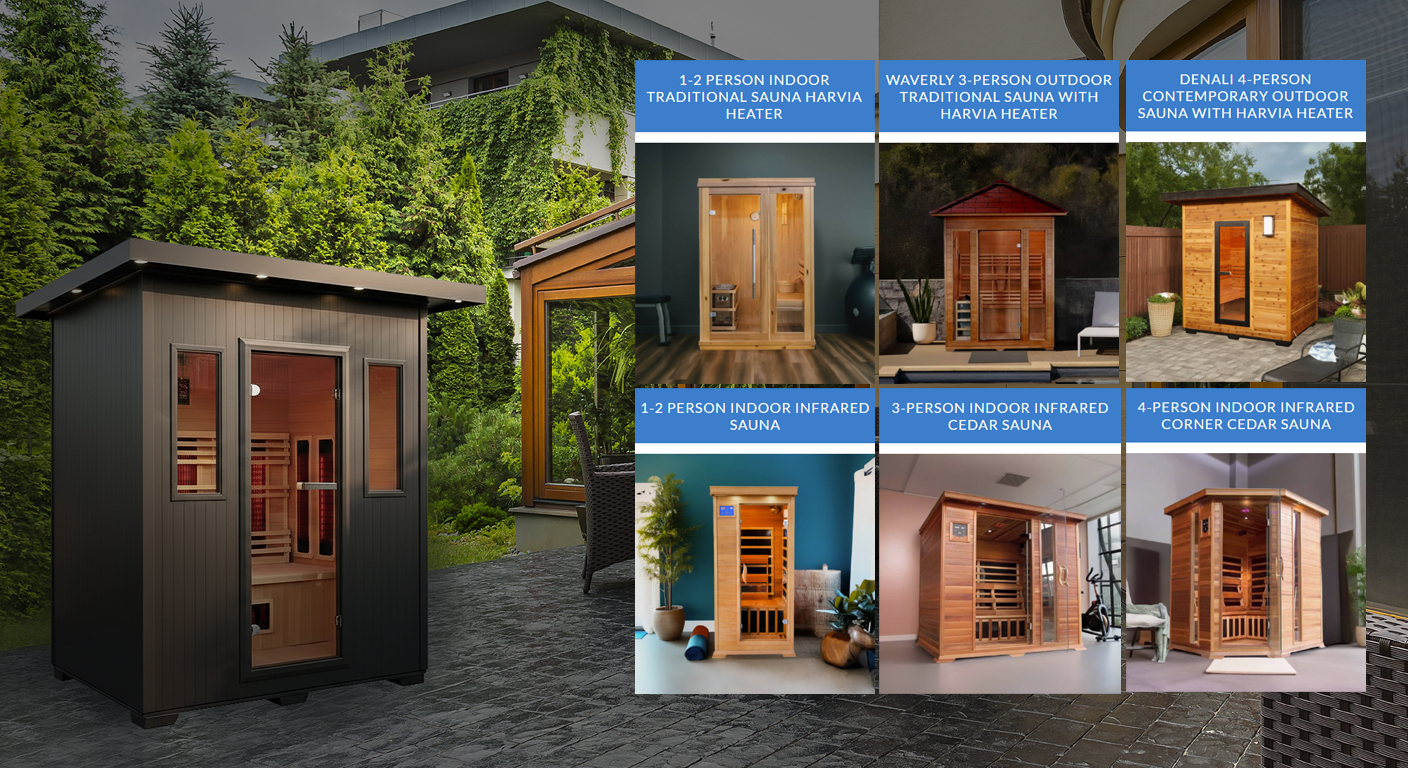
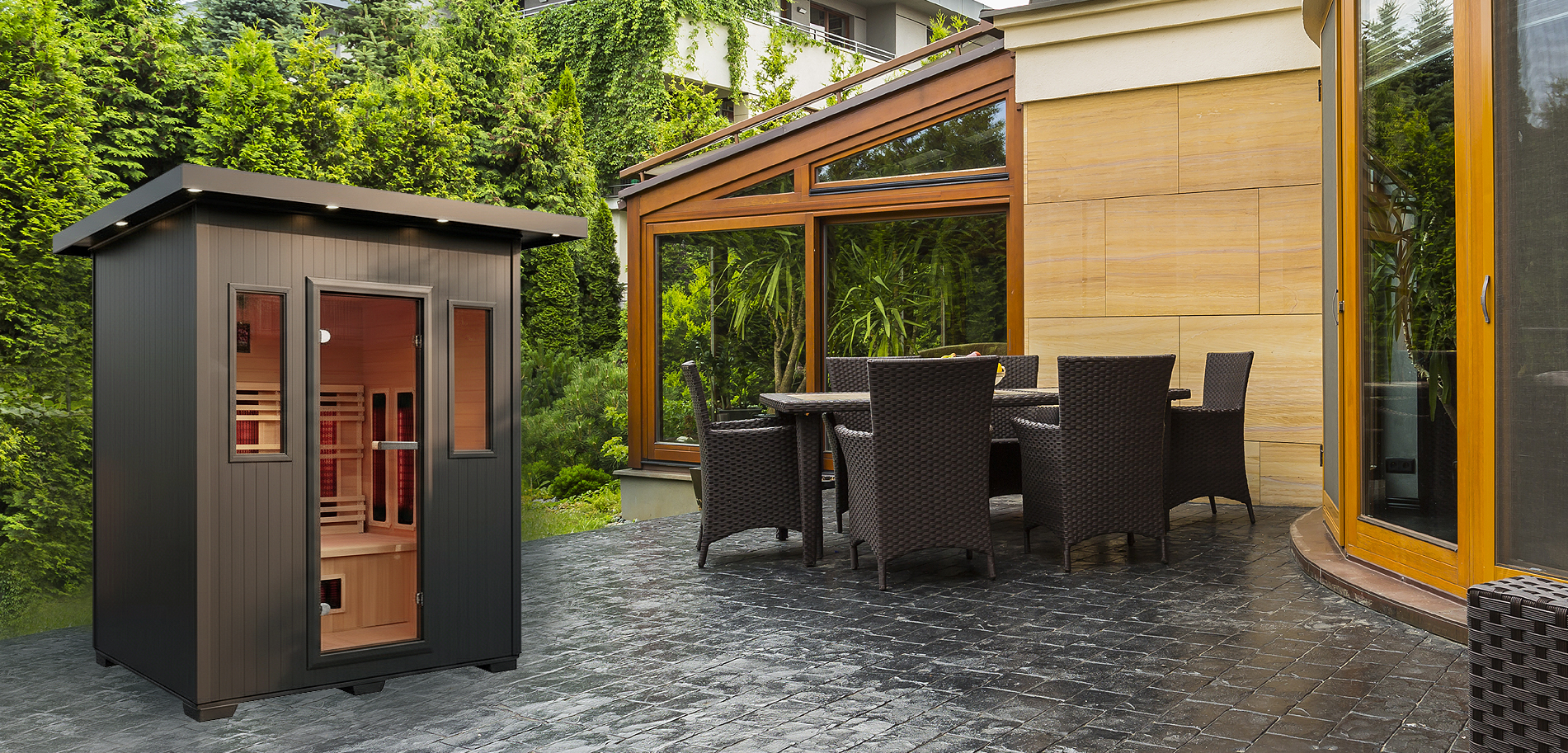
SunRay Saunas offers a full range of traditional and infrared home saunas in both indoor and outdoor configurations, with models sized for 1 to 4 people.
Our traditional saunas are paired with industry‑leading Harvia electric heaters for high-intensity, invigorating heat, while our infrared saunas use advanced carbon-heating technology to create a deeply relaxing, comfortable session.
Saunas Seating 1,2,3 or 4 People
You can choose from compact 1–2-person indoor units up to multi‑person luxury cabins like the Westlake and Rockledge, as well as outdoor models such as the Grandby, designed to enhance a backyard or patio space.
SunRay is positioned as one of the largest and most established home sauna sources in the United States, with a broad in‑stock product line and an emphasis on durable Canadian hardwood construction.Best‑in‑class warranty and supported by an award‑winning customer service
Our saunas are built to last, backed by a best‑in‑class warranty and supported by an award‑winning customer service team to guide buyers through the selection, purchase, and installation process.
With a strong focus on design, reliability, and health‑driven benefits, we proudly promote our SunRay Saunas units as a long‑term wellness investment that can improve overall well‑being and transform a home into a personal spa retreat.