
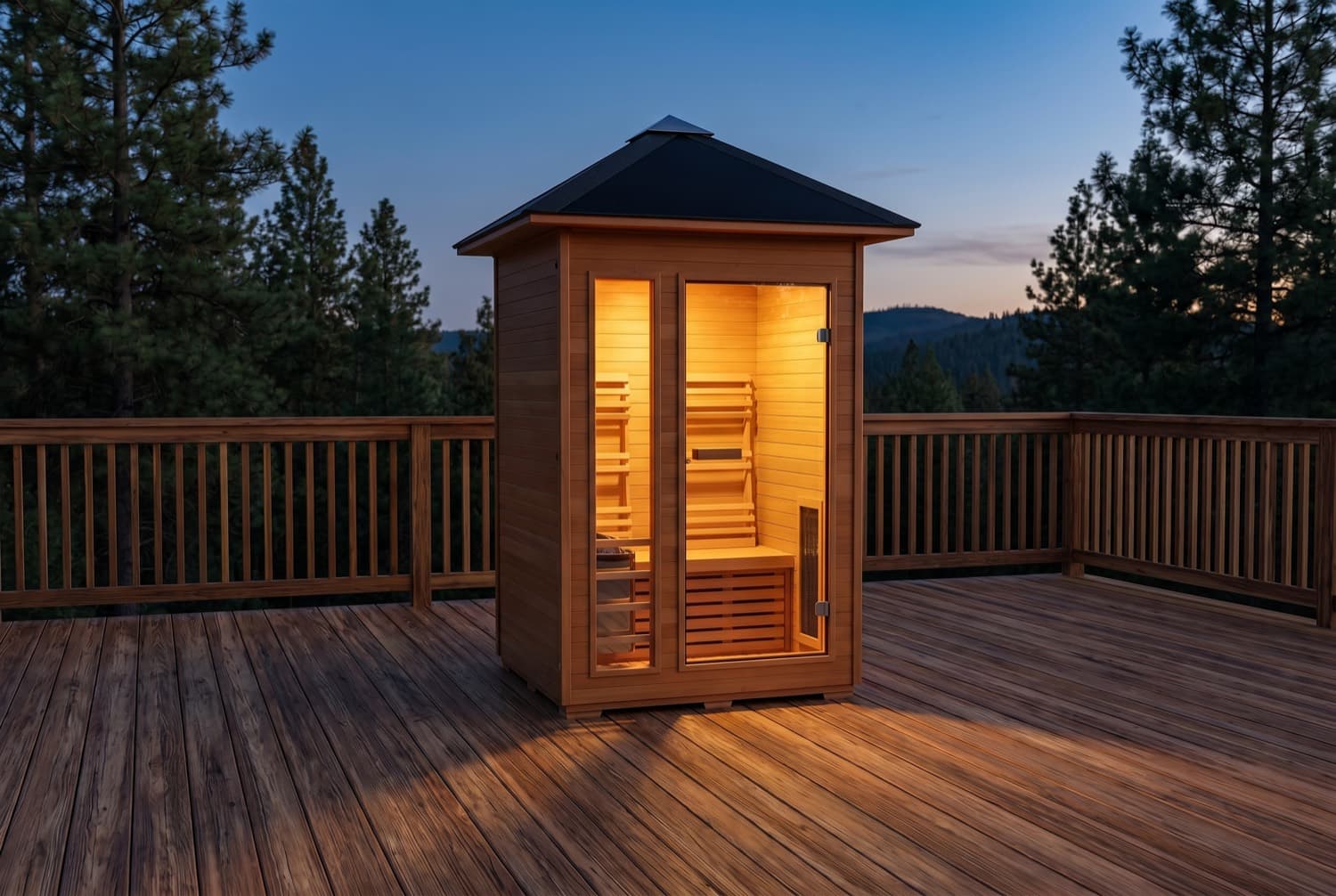
Outdoor Sauna Guide
With the vast number of outdoor saunas now available on the market, it can be a daunting task to choose the sauna that’s right for you. With this guide to Choosing an Outdoor Sauna, we have taken the guess work out of choosing the right sauna by categorizing the different types of outdoor saunas...
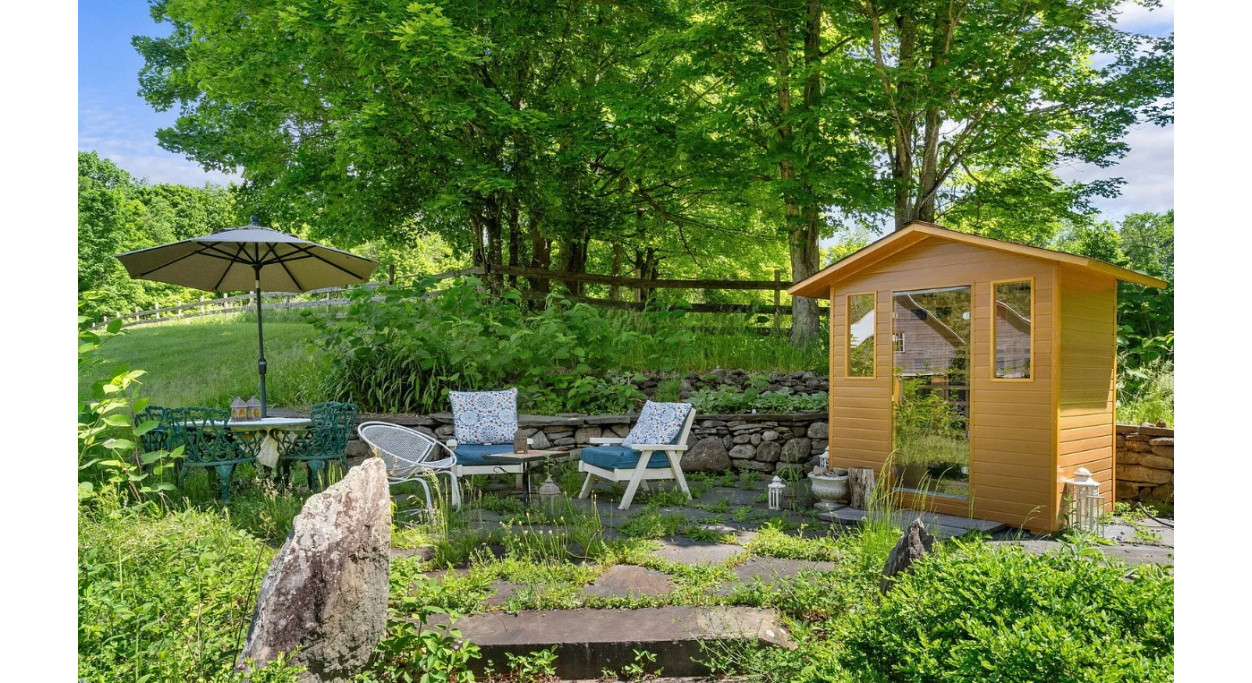
Guide to Choosing an Outdoor Sauna
With the vast number of outdoor saunas now available
on the market, it can be a daunting task to choose the sauna that’s right for you.
With this guide to Choosing an Outdoor Sauna, we have taken the guess
work out of choosing the right sauna by categorizing the different types of
outdoor saunas and the benefits and drawbacks to consider. Together we will dive
into the different types of backyard saunas to better understand their nuances
and help you to choose the best outdoor sauna for sale.
Types of Outdoor Saunas
_Outdoor Barrel Saunas_
Barrel saunas are notable for their unique, cylinder like design which
are crafted from cedar, hemlock or some other type of durable treated wood. Barrel
saunas use a ball and socket design to interlock the wood to create the rounded
barrel shape which makes it not only a strong and solid design but an aesthetically
pleasing and functional one as well. Barrel
saunas efficiently circulate heat by minimizing corners, allowing for an even
distributed circulation of warmth. While providing a visually pleasing element
in an outdoors setting, barrel saunas are often paired with an electric or wood
burning heater for a high heat and efficient sauna experience. Barrel sauna DIY
kits typically take about a day to assemble and install correctly.
_Outdoor Sauna Cabins-Traditional_
Cabin Saunas are a popular design for a traditional outdoorFinnish sauna that uses rocks placed over an electric or wood burning heater to
create an intense heat environment. Temperatures in traditional outdoor saunas can
reach upwards of 190-200 degrees Fahrenheit. The heat, which can be used to
create humidity by drizzling water onto hot stones, provides a blend of dry and
wet heat, offering both relaxation and potential health benefits. Outdoor
traditional sauna cabins typically are sold as outdoor cabin saunas kits.
_Outdoor Sauna Cabins-Infrared_
Outdoor Cabin Sauna kits are alsoavailable with
infrared heat. Outdoor infrared saunas use heater panels or glass heaters that emit
Infrared heat waves. Temperatures in outdoor infrared saunas can reach up to
140 degrees Fahrenheit. While the temperatures in Infrared cabins don’t reach
that of traditional saunas, they also typically don’t require special electrical
wiring for operation. In most cases these saunas will plug into an outdoor
outlet making it a convenient option without having to hire an electrician. You
will still sweat in an outdoor infrared sauna thus receiving the benefits of detoxification
however it won’t be as intense as a traditional sauna.
_Outdoor Pod and Cube Saunas_
Providing similar efficiency in heat distribution as a
barrel sauna, outdoor pod saunas offer similar benefits of a barrel sauna with
a flat floor and a protective roof(typically shingled) that covers the whole
sauna and provides better protection from harsh weather.
Types of Wood Used in Outdoor Saunas
Manufacturers use a variety of wood types in outdoor saunas
including Spruce, Cedar, and Hemlock. Cedar, particularly Western Red Cedar has
long been the wood of choice in outdoor traditional saunas. Cedar is well known
for its natural resistance to decay and moisture which not only offers
durability but also emits a soothing, aromatic scent that creates a relaxing
spa-like atmosphere. The warm rich tones of cedar wood also add aesthetic
appeal which makes it a favorite for those who want both beauty and function in
their sauna.
Outdoor Sauna Heating Options
_Wood Fired Sauna Stoves_
Wood fired sauna stoves offer an experience unlike many
others in an outdoor sauna. You get to experience the real outdoors by listening
to sounds of wood crackling and the smell of hardwood smoking while you work up
a sweat. It can be very relaxing, but it can also be tedious. Chopping wood and
cleaning up ashes from fire after each session is not everybody’s cup of tea but
wood fired saunas stoves are worth considering if you want a truly authentic outdoor
sauna experience.
_Electric Sauna Heaters_
If you like things on the easier side, electric sauna
heaters like Harvia or Finleo are the way to go. With the push of a button or
the turning of a dial you can enjoy a sauna session in about 30 minutes, which
is the time it takes to heat up. Electric heaters are super easy to handle and
don't need as much upkeep as the wood fired stoves. Plus, you can set the exact temperature you
want and enjoy the best outdoor sauna experience without any of the cleanup or smoke smell.
_Infrared Sauna Heaters_
Finally, if you just want to relax in a nice soothing
environment where the heat is evenly dispersed and not as intense as a wood burning
stove or electric heater then infrared may be a good option for you. Infrared
heaters also allow you add complimentary therapy to your sauna session by incorporating
chromatherapy (mood lighting), aromatherapy (use of essential oils to create enhance
your senses, and even sound therapy through the use of built in speakers. These
options typically don’t exist in higher heat environments where the heat could
damage the electronics associated with those devices.
Tips for Installing an Outdoor Sauna
Most sauna kits including barrel saunas can be assembly by 2
adults. You should allocate 1-2 days for assembly. Prepare your outdoor space
ahead of time. Make sure any electrical work is completed prior to assembly so
that it doesn’t interfere with the installation. Make sure the sauna is placed
on a level surface. Do not place the outdoor sauna on a sturdy foundation (concrete,
solid deck, pavers that have been tamped into position. Do not place the sauna
directly on the ground. Also, make sure to always place a vapor barrier between
the sauna and the platform it is sitting on to avoid moisture being pulled into
the sauna from the ground below. Avoid placing the sauna under trees and look
for an area that is private and gets natural sunlight. This will not only help
with natural lighting but help reduce moisture buildup around the sauna.
Following these tips will ensure you not only choose the
right type of outdoor sauna for your needs but also give you a sanctuary for
relaxation and retreat to enjoy for years to come right in the comfort of your
own backyard!
Please login or register to comment
AI visualizer
See it in your space.
Upload a photo of your room or backyard and preview a SunRay sauna placed to scale before you buy.